
Moving to Panama from the US: A Step-by-Step Guide
Moving to Panama from the US works best as a sequence, not a scramble: pick a residency route, time a scouting trip, sort shipping, pets, banking, healthcare and housing, then handle the practical first 90 days.
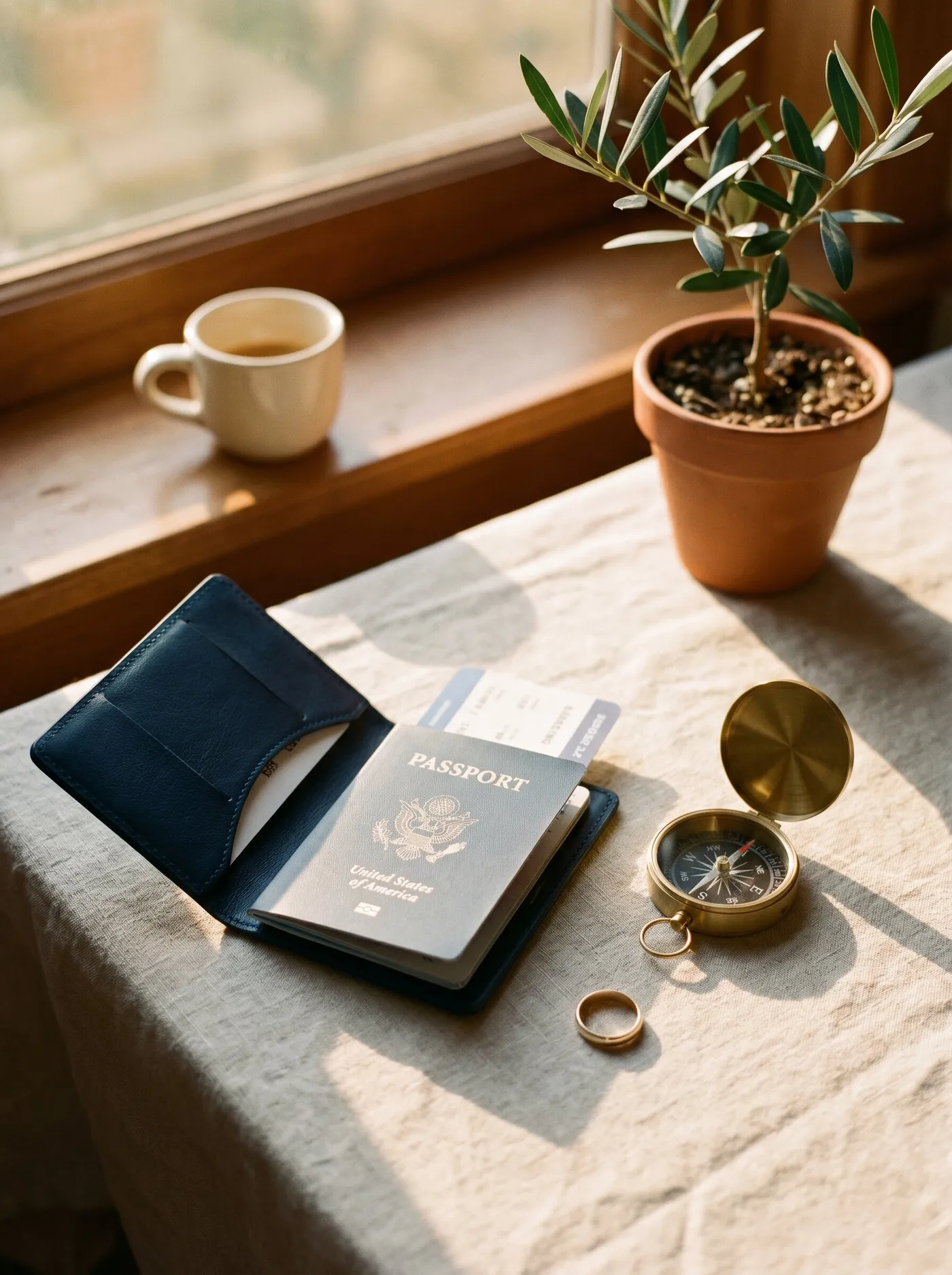
Moving to Panama from the US works best as a sequence, not a scramble. Pick a residency route, time a scouting trip, decide what to ship, sort pets, banking, healthcare and housing, then handle the practical first 90 days once you land. As a US citizen you can enter on your passport and stay up to 180 days, so you have room to look before you commit. Here is the order that keeps an American move smooth, with the specifics that trip people up.
This is the US-specific companion to our full moving to Panama guide. Read that for the complete relocation picture; this piece is the American checklist, in order.
Step 1: Choose your residency route (decide this first)
Everything else follows from how you intend to stay. You can visit for up to 180 days on a US passport, but to settle you apply for residency, and the route you pick shapes your timeline, your budget and what you can do once you arrive. The three routes most Americans use:
- Pensionado, for retirees with a guaranteed pension of at least $1,000 a month. It is permanent, fast to qualify for, and it comes with a long list of resident discounts.
- Friendly Nations Visa, for people putting down roots, typically through a $200,000 investment in property or a fixed-term deposit. It grants two years of temporary residency, then permanent.
- Remote-worker (short-stay) visa, for people earning from outside Panama who are not ready to commit, with an income threshold around $3,000 a month.
Do not over-research this on your own. Requirements and dollar figures change, and the residency-and-tax side is exactly where good advice pays for itself. We cover each path in our Panama residency overview, and the Residency Route Finder gives you a quick fit check. When you are ready to file, confirm the current rules before you rely on any number here.
One line on US taxes, because it matters and because it is not this article's job: moving abroad does not end your US filing obligations, and if you are already behind, talk to a cross-border tax professional. That is the entirety of the tax detail here by design. The rest of this piece is logistics.
Step 2: Time a scouting trip before you ship anything
Go before you go. A two-to-four week scouting trip, ideally in the dry season (roughly December to April on the Pacific side), tells you more than months of reading. Rent a furnished place, drive the neighborhoods, sit in the traffic, shop the supermarkets, and see whether the pace suits you.
Use the trip to narrow your shortlist and to meet an immigration attorney in person. Many Americans visit two or three areas: Panama City for amenities and hospitals, the Coronado beach belt about an hour west, and the cool highland town of Boquete for the long-established expat community. Decide where you could actually live, then plan the real move around it.
Step 3: Decide what to ship (most people ship less than they think)
The honest answer for most Americans is: ship less, buy more locally. Panama imports heavily from the US, furniture and appliances are widely available, and many rentals in Panama City and the beach areas come fully furnished. A full container is rarely worth it unless you own a house of quality furniture and good appliances.
If you do ship, the two standard options are a 20-foot container (about 1,000 cubic feet, enough for a small household) and a 40-foot container (about 2,200 cubic feet, a four-to-five-bedroom home). Costs are quoted by volume, not weight. Shared-container (LCL) shipping runs roughly $12 a cubic foot, while a full 20 or 40 foot container is priced per container. Get a current door-to-door quote from an international mover. Everything is inspected at the Panamanian port, with a full itemized inventory required. Note the climate too: leather, books and pine furniture do poorly in the humidity, and softwoods are a termite risk. One real perk for retirees: Pensionado holders can import household goods with significant duty relief, which can tilt the math toward shipping. Weigh sentiment against cost.
Step 4: Bring your pets the right way (the paperwork is time-sensitive)
Cats and dogs can come, and the process is manageable if you start early and hit the deadlines. The sequence for a US pet:
- Rabies vaccination given from three months of age, with at least 30 days passed since the shot. Animals under four months old cannot enter.
- A health certificate from a USDA-accredited veterinarian, issued within 10 days of travel.
- That certificate endorsed by USDA APHIS, then authenticated by a Panamanian consulate or apostilled.
- On arrival at Tocumen Airport, a home-quarantine fee of B/.130 per animal, paid in cash.
The dates are the catch. Book your vet around the 10-day window and the consulate/apostille step well ahead, or you will miss the flight. A pet-relocation service is worth it if you would rather not project-manage the timing yourself.
Step 5: Open a Panama bank account (start it early)
A local bank account is one of the slowest pieces, so begin it early rather than the week you land. Panama banks are compliance-heavy and will ask for references, proof of income and supporting documents from a US applicant. Approval is rarely instant, and many expats keep a US bank account open alongside their Panama one to move money between countries.
The how-to has its own guide. Read opening a Panama bank account as a foreigner for the document list and what actually gets applications approved.
Step 6: Set up healthcare before you land
Arrange health coverage that is valid in Panama before you arrive, not after. Some visas require proof of it. Private care in Panama is genuinely good and far cheaper than US care, Panama City has international-standard hospitals including the Johns Hopkins-affiliated Pacifica Salud, and many doctors trained in the States and speak English. Some retirees keep US Medicare for major procedures back home and pay out of pocket for routine care here, which is inexpensive. If care access is a priority, let it steer where you settle.
Our healthcare in Panama for expats guide covers insurance options, the public-versus-private split and the main hospitals.
Step 7: Rent first, buy later
Rent before you buy. The strong consensus among people who have done it: lease for the first year so you can test the area, the building and daily life before committing capital, and ideally hold off on a purchase until your residency is approved. Renting is affordable, often furnished, and gives you a low-risk way to confirm you chose the right spot.
When you are ready to buy, do it with your eyes open. Read how to buy property in Panama as a foreigner and use the area pages to compare neighborhoods before you put money down.
Step 8: Sort your driving licence once you have residency
You can drive on your valid US licence as a tourist for up to 90 days after entry. The moment you hold Panamanian residency, even temporary, you are expected to convert to a local licence. Panama recognizes US licences through a validation process (homologation), which generally skips the road test. Expect to bring your passport, your US licence, your residency document and a blood-type certificate, pay roughly $40 plus authentication costs, and allow a couple of weeks. The licence's validity tracks your residency, so a temporary permit yields a shorter-dated licence.
Step 9: If you have kids, line up schools early
Families usually choose an international or bilingual school, since public schools run a Spanish-only curriculum. The best-known options in Panama City are the International School of Panama (ISP), Balboa Academy and the Metropolitan School of Panama (MET, part of Nord Anglia), most following an American or International Baccalaureate curriculum. Budget roughly $8,000 to $19,000 a year per child, rising with grade level, plus one-time enrollment and capital fees. Apply early: waitlists at the top schools are common, and city traffic makes the commute to school a real factor in where you live.
Your first 90 days in Panama: the practical list
Once you land, work through this:
- File your residency application in-country with your attorney (you must be physically present).
- Open or finish opening your local bank account.
- Get a local SIM and a phone plan.
- Activate your Panama health insurance and register with a clinic or hospital.
- Convert your driving licence after residency is granted.
- Rent for the year and resist buying property until you have lived in the area.
- Learn enough Spanish to handle taxis, shops and officials. English gets you far in the city, less so outside it.
- Build in patience for "manana" timing. Processes here move slower than in the US, and planning around that is half the battle.
Treat the whole thing as a project with this order, and moving to Panama from the US becomes one of the more straightforward relocations in the region. For the complete picture, start with our moving to Panama guide.
FAQ
How long does it take to move to Panama from the US?
Plan on several months end to end: a scouting trip, gathering and authenticating documents, the move itself, and residency processing, which commonly runs three to six months once your file is complete.
Can I just move to Panama on my US passport?
You can stay up to 180 days as a tourist on your passport, but to live there you apply for residency, most often the Pensionado, the Friendly Nations Visa, or a remote-worker visa. Applications are filed in Panama, usually with an immigration attorney.
Should I ship my furniture or buy it in Panama?
Most Americans ship less than they expect. Panama is well stocked, many rentals come furnished, and the climate is hard on leather, books and pine. A full container makes sense mainly for a house of quality furnishings, and retirees on the Pensionado get duty relief on household goods.
Can I bring my dog or cat from the US?
Yes. Your pet needs a rabies shot given from three months of age with 30 days passed, a USDA vet health certificate within 10 days of travel, USDA APHIS endorsement plus Panamanian consular authentication or apostille, and a B/.130 cash home-quarantine fee on arrival at Tocumen. Start early; the dates are strict.
Continue reading
How Do You Open a Panama Bank Account as a Foreigner?
In closing
Let’s talk.
A single conversation usually clarifies more than a month of research. We engage on a value basis, and every introduction begins with a direct, confidential exchange.
We advise on
- Cross-Border Tax
- International Corporate Advisory
- Multi-jurisdictional Asset Structuring
- Panama Relocation
Rothbard Group S.A.
A boutique cross-border tax and corporate advisory firm. Licensed U.S. Enrolled Agent authorized to practice before the Internal Revenue Service.