
Moving to Panama: The Complete Relocation Guide (2026)
A clear, ordered relocation plan: choose your residency route, apostille your documents, line up healthcare and banking, then decide what to ship and where to live. Most moves take months, not weeks.
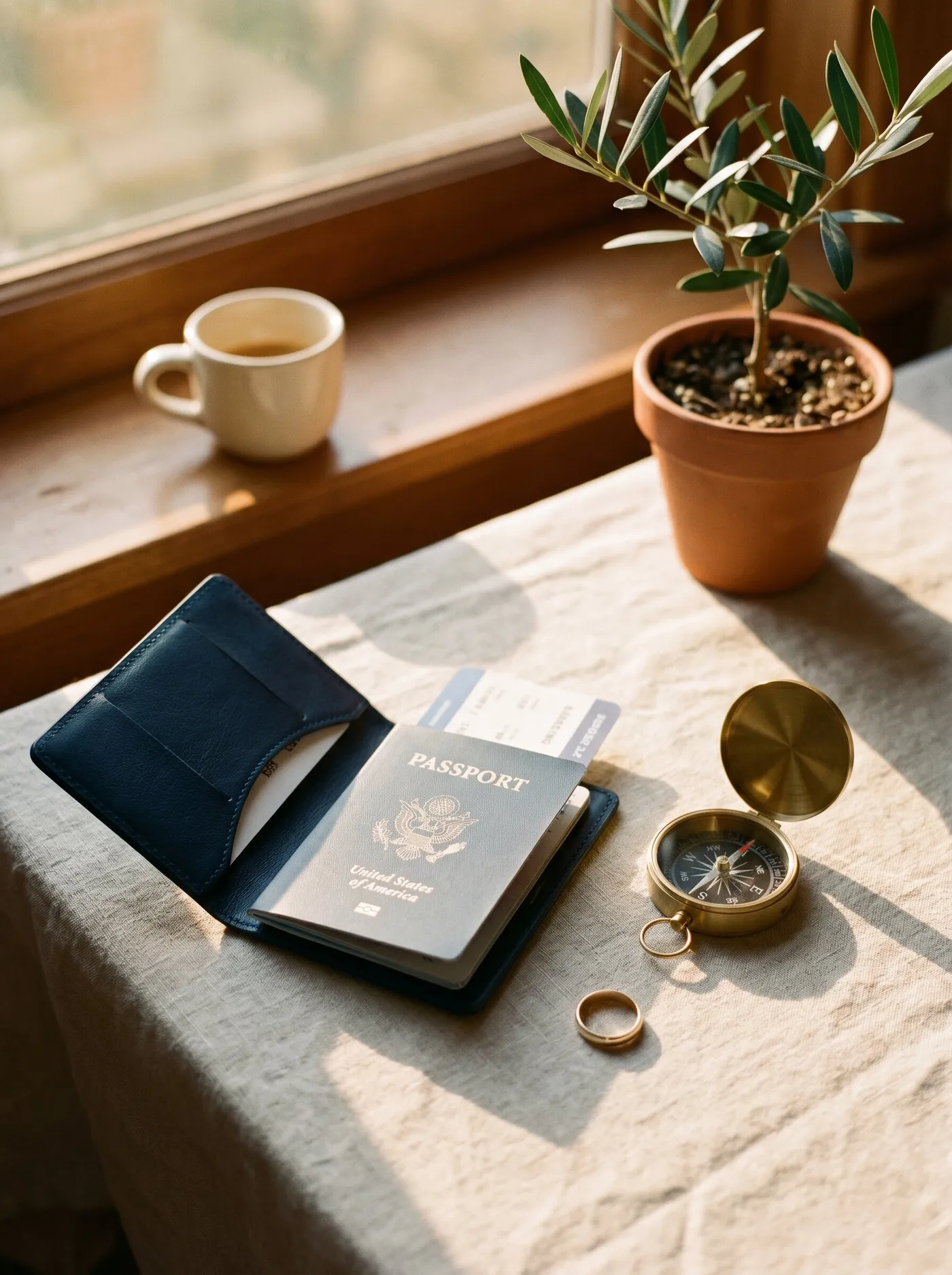
Moving to Panama is very doable, and the people who do it well treat it as a project with a clear order: choose your residency route, get your documents apostilled, line up healthcare and banking, then decide what to ship. As a US citizen you can land and stay up to 180 days on your passport, which gives you room to visit, look and plan before you commit. The whole journey, from first research to settled residency, usually takes months rather than weeks. Here is the sequence that keeps it smooth.
Step 1: Decide what kind of mover you are
Your residency route follows from who you are: a retiree, an investor, a remote worker, or someone with a business tie to Panama. The main paths in 2026 are:
- Pensionado (retirees): a lifetime pension of at least $1,000 a month, plus $250 per dependent. The classic retiree route, with a long list of resident discounts attached.
- Friendly Nations Visa: open to citizens of 50-plus countries who can show an economic tie to Panama. Since the 2021 reform that means a qualifying investment, commonly property or a fixed-term deposit of around $200,000, or a registered job with a Panamanian company. It grants two years of temporary residency first, then permanent residency.
- Qualified Investor (Golden Visa): a larger, faster route. Since Executive Decree 17 of 2026 took effect on 16 September 2026 the minimum is $300,000 in a new property bought from the developer or $500,000 in a resale, $500,000 in eligible Panamanian securities, or a fixed deposit of $750,000 at a private bank or $500,000 at Banco Nacional de Panamá or Caja de Ahorros.
- Remote worker or short-term: an option for people not ready to commit to full residency.
These figures move, and the residency-and-tax side is where good advice pays for itself. We cover the routes in our Panama residency overview, and for a quick fit check try the Residency Route Finder. Confirm the current requirements before you file.
Step 2: Get your documents in order early
Most routes need the same paperwork: a police background check, an income or pension letter, and civil records such as marriage and birth certificates. Each usually has to be apostilled in your home country and translated into Spanish. People underestimate this step. Start it before you move, because chasing an apostille from Panama is slow and frustrating.
Step 3: Sort healthcare before you arrive
Arrange health insurance that is valid in Panama before you land. Some visas require it, and private care here is both excellent and far cheaper than in the US, a routine doctor visit can run around $20. Panama City has international-standard hospitals, including the Johns Hopkins-affiliated Pacifica Salud. If care access matters to you, it can shape where you choose to live.
Step 4: Open banking, and expect it to take time
A Panama bank account is compliance-heavy and rarely instant. Start it early, expect to provide references and documentation, and do not leave it to the last minute. Many expats keep an international bank alongside a local account to move money between countries easily, and budget $25 to $50 for wires.
Step 5: Decide what to ship
Shipping a full container of furniture is possible but expensive. Many people travel light and buy locally, especially since Panama City is well stocked. Weigh sentiment against cost. If you have pets, cats and dogs can enter with current vaccinations and the right health paperwork, so start that with your vet early too.
Step 6: Choose where to live
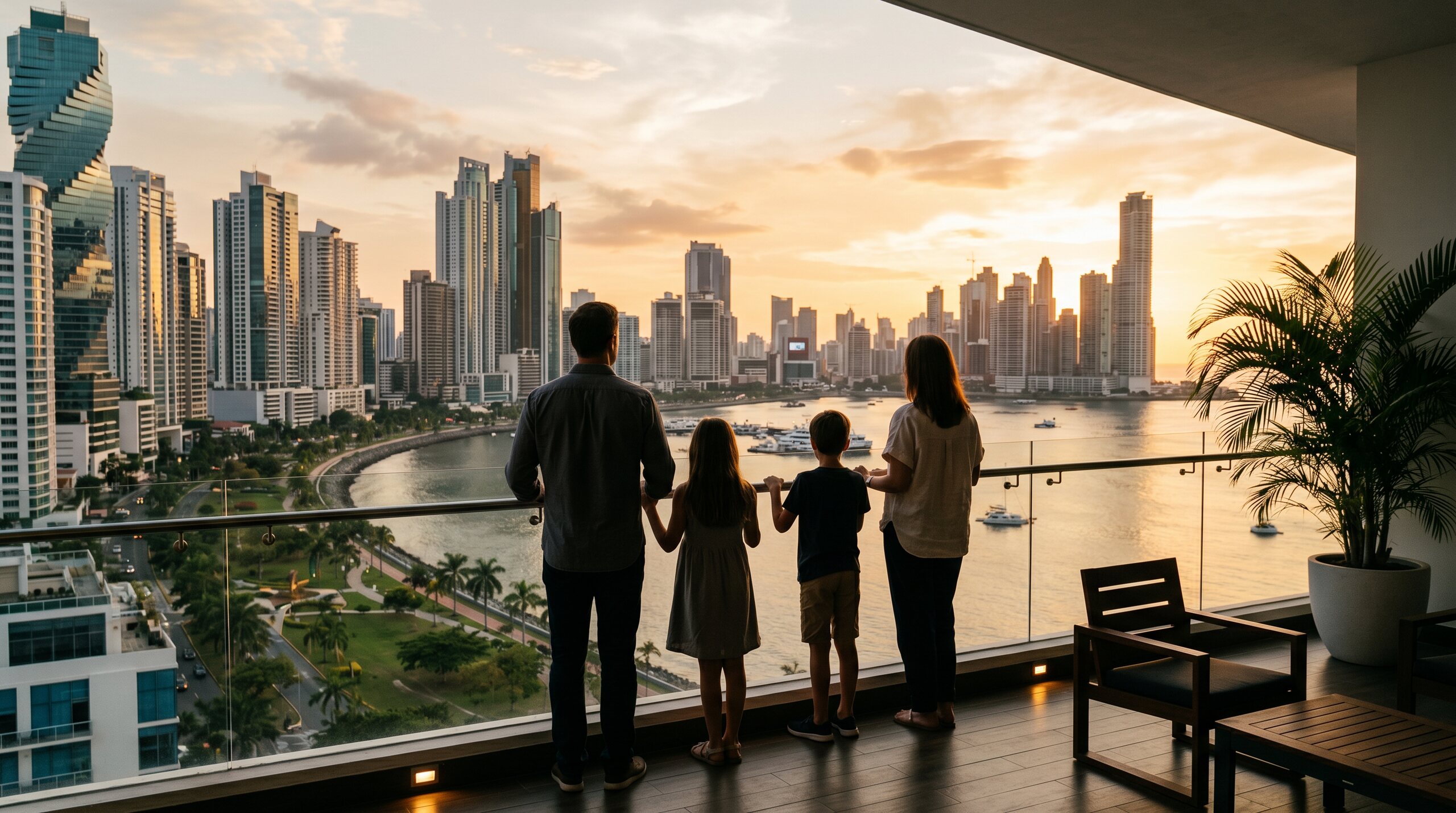
Where you settle shapes daily life as much as the visa does. Families gravitate to Costa del Este for its schools and safety, healthcare-minded buyers to Punta Pacifica for the Johns Hopkins-affiliated hospital, and beach lovers to Coronado, about 90 minutes west. Use the Panama Property Finder to narrow by budget and goal, and read how to buy property in Panama as a foreigner before committing to anything.
A realistic timeline
Expect several months end to end: a scouting trip or two, document gathering and apostilles, a residency filing that commonly takes a few months to process, and the move itself. Treat it as a sequence, not a leap, and it becomes one of the smoother relocations in the region.
FAQ
How long does it take to move to Panama?
Usually several months from first research to settled residency, mostly document gathering, the move, and residency processing.
Do I need a visa to move to Panama?
US citizens can stay 180 days on a passport, but to settle you apply for residency, most commonly the Pensionado, the Friendly Nations Visa, or an investor route.
Can I bring my pets?
Yes. Cats and dogs can enter with current vaccinations and the correct health paperwork. Start the process early with your vet.
Is healthcare good in Panama?
Yes. Private care is international standard and far cheaper than the US, with top hospitals in Panama City. Arrange Panama-valid insurance before you arrive.
In closing
Let’s talk.
A single conversation usually clarifies more than a month of research. We engage on a value basis, and every introduction begins with a direct, confidential exchange.
We advise on
- Cross-Border Tax
- International Corporate Advisory
- Multi-jurisdictional Asset Structuring
- Panama Relocation
Rothbard Group S.A.
A boutique cross-border tax and corporate advisory firm. Licensed U.S. Enrolled Agent authorized to practice before the Internal Revenue Service.