
Is Panama Safe? An Honest Neighbourhood-Level Answer
Panama is one of the safer countries in Latin America, and Panama City's main expat districts are safe by big-city standards. But safety here is neighbourhood-level, not national. Here is the honest map.
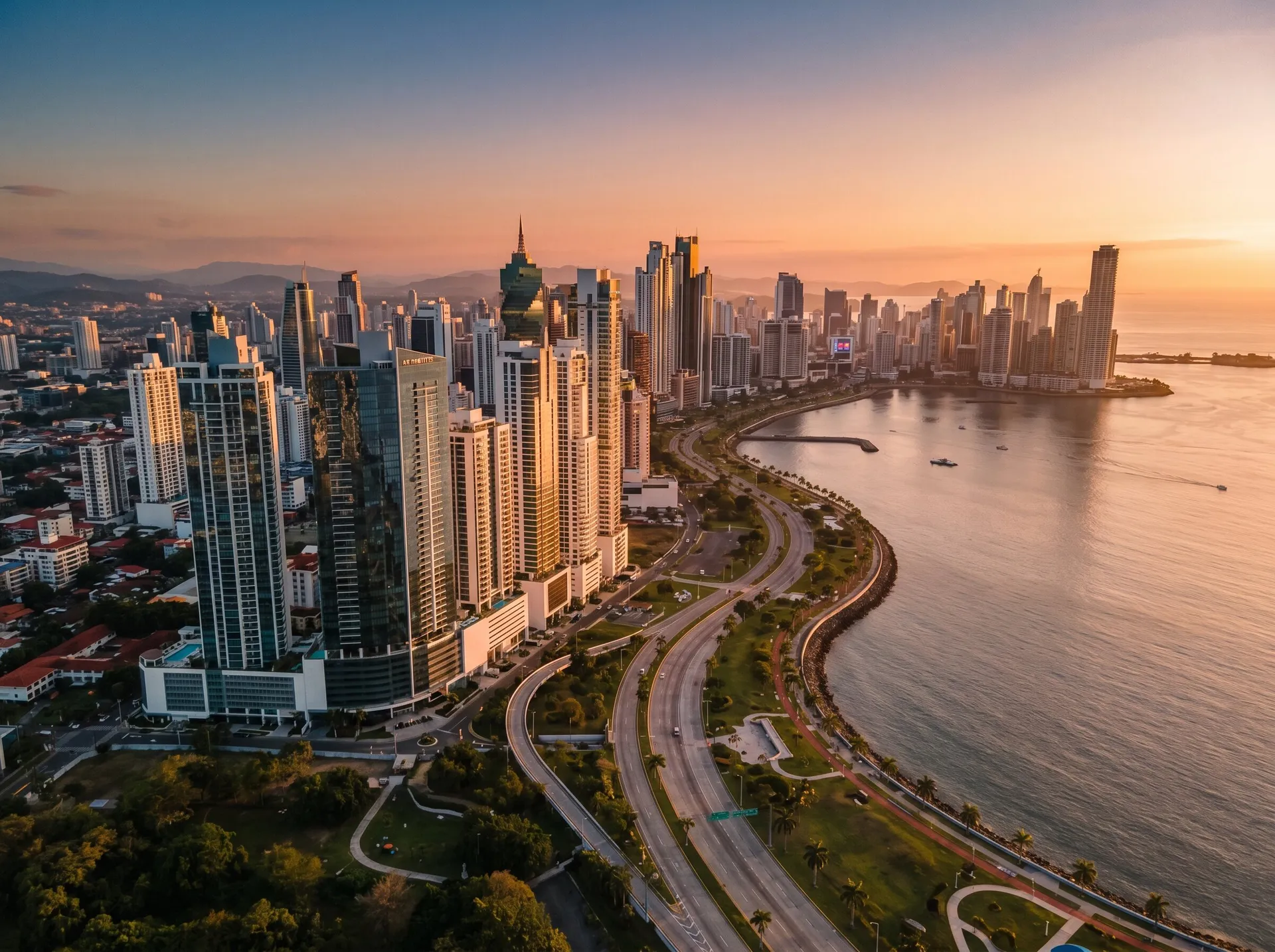
Yes, with a map. Panama is consistently rated among the safer countries in Latin America, and the districts where expats actually live, work and buy, Punta Pacifica, Costa del Este, San Francisco, Coronado, Boquete, are safe by the standards of any large city. But Panama's safety is neighbourhood-level, not national. A few districts carry most of the country's crime statistics, and the honest answer to "is Panama safe?" is a map, not a single word.
The national picture, without the gloss
Panama's homicide and violent-crime rates sit well below the worst of the region and broadly in the middle of Latin America overall, far from both the region's crisis zones and from small-town North American quiet. The dominant risks for foreigners are opportunistic: pickpocketing, phone snatching, car break-ins, and the occasional overcharge dressed up as a fee. Violent crime against foreigners is uncommon and heavily concentrated in areas visitors have no reason to be.
Three structural points help explain the calm. Panama's economy runs on banking, the Canal and services, which keeps a heavy police presence in the business and tourist districts. The US dollar economy and the country's role as a regional hub give the state strong incentives to keep the showcase districts orderly. And Panama sits outside the hurricane belt, so the natural-disaster layer that complicates life elsewhere in the region is largely absent; earthquakes are felt occasionally and mildly.
Panama City, district by district
- Punta Pacifica and Punta Paitilla. The waterfront tower districts. Private security, hospital anchor, very low street crime. As safe as the city gets.
- Costa del Este. Planned, gated-feeling, family-oriented, with its own corporate campus energy. Consistently calm.
- San Francisco and Coco del Mar. Established residential, restaurants and parks. Safe with ordinary city awareness.
- El Cangrejo, Bella Vista and Marbella. The walkable mid-town. Fine by day and lively by night on the main streets; keep the phone out of sight on quiet blocks after dark.
- Casco Viejo. The restored colonial quarter is heavily patrolled and safe in the restored core, day and evening. Its edges thin out fast at night; stay where the lights and the restaurants are.
- The caution list. El Chorrillo, Curundu, parts of Rio Abajo and San Miguelito carry most of the city's statistics. There is no expat reason to be there, and every long-term resident simply routes around them.
- Colon city. The Caribbean port city is the country's hardest area and is not comparable to the capital. The free zone and cruise terminal are controlled; the city itself is not a place to wander.
Outside the capital
The Pacific beach corridor, Coronado and its neighbours, is relaxed, established and low-crime, with the usual beach-town advice about not leaving valuables on the sand. Boquete and the Chiriqui highlands are among the calmest places in the country, which is part of why retirees concentrate there. The islands, Bocas del Toro and the San Blas, run on tourism rhythms: petty theft exists, violence is rare. The one true exception is the Darien Gap toward the Colombian border, which is a remote transit zone with real dangers and no relevance to expat life.
The habits that keep it boring
- Treat the phone like cash. Snatching is the signature petty crime; keep it off cafe tables and out of your back pocket.
- Use registered taxis or ride-hailing at night rather than flagging cars on quiet streets.
- In traffic, keep windows up and bags off the passenger seat in the denser districts.
- Choose buildings with staffed lobbies; it is the norm in the tower districts and it works.
- Learn the map early. Safety in Panama is ninety percent knowing which five districts not to be in at midnight.
Safety in Panama is a map, and the map is learnable in a week.
Choosing where to land
Every safe district above is also a distinct lifestyle and price point, and choosing between them is really a budget-and-lifestyle decision. Our best areas to buy guide compares the city districts in detail, and the free Panama Property Finder narrows the whole country to the areas that fit your budget and goals in about three minutes. If the move is serious, the Residency Route Finder handles the visa half of the question.
Continue reading
The Pros and Cons of Moving to Panama, From People Who Live Here
In closing
Let’s talk.
A single conversation usually clarifies more than a month of research. We engage on a value basis, and every introduction begins with a direct, confidential exchange.
We advise on
- Cross-Border Tax
- International Corporate Advisory
- Multi-jurisdictional Asset Structuring
- Panama Relocation
Rothbard Group S.A.
A boutique cross-border tax and corporate advisory firm. Licensed U.S. Enrolled Agent authorized to practice before the Internal Revenue Service.